Every kitchen shop is full of devices that promise faster, healthier or fancier cooking. Some of them become daily helpers, and others end up in a cupboard after two weeks. A little thought before buying saves money, space and frustration. These guidelines help you decide.
Start with how you cook
Think about what you cook most often, how many people you feed and how much time you have. A gadget should fit your habits, not an imaginary lifestyle.
Buy for the meals you really make, not for the ones you plan to make someday.
Check your space
Counters and cupboards are limited. A bulky machine that needs ten minutes to unpack will rarely be used.
Measure the spot before ordering.
Worth buying, a good knife
A sharp chef knife and a stable cutting board make every task easier. They are not electronic, but they are the best investment in the kitchen.
Learn to hone the blade regularly.
Worth buying, a digital thermometer
An instant read thermometer takes guesswork out of cooking meat, bread and sugar work. It improves results and food safety.
Public health sites such as FoodSafety.gov list safe internal temperatures for common foods.
Worth buying, a rice cooker
Cooks who eat rice often benefit from a simple cooker that produces consistent results and keeps food warm. Many models also steam vegetables.
Choose a size that matches your household.
Worth buying, a stick blender
A hand blender makes soups, sauces and smoothies with minimal cleaning. It is cheaper and smaller than a full size blender.
Check that the shaft is removable for washing.
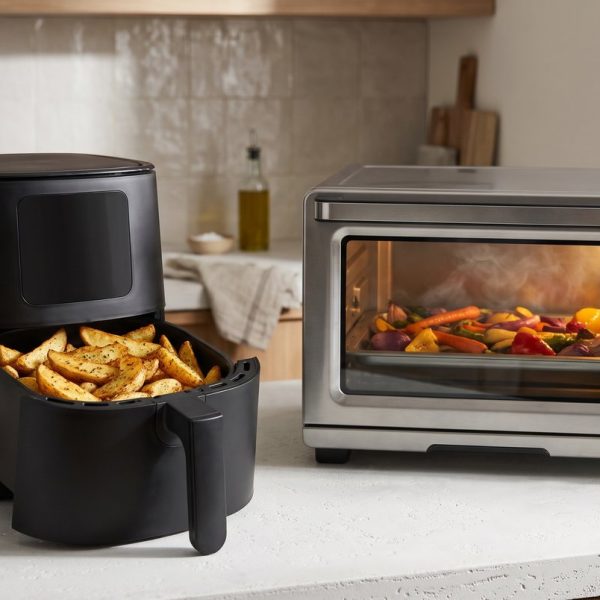
Maybe, an air fryer
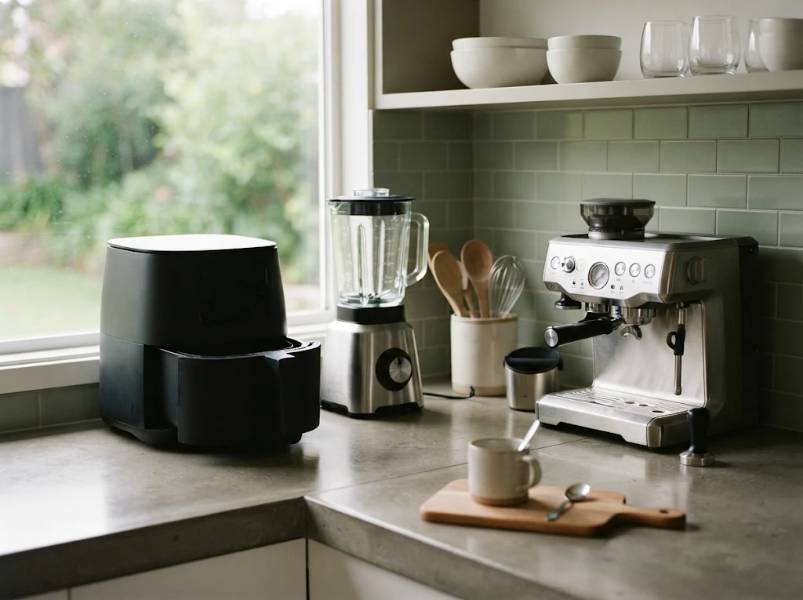
Air fryers cook small batches quickly and give crisp results with less oil. They suit people who cook for one or two.
They take space, and large families may find them too small.
Maybe, a pressure cooker
Electric pressure cookers shorten cooking time for stews, beans and rice. They suit busy cooks who like set and forget meals.
Read the safety instructions carefully before first use.
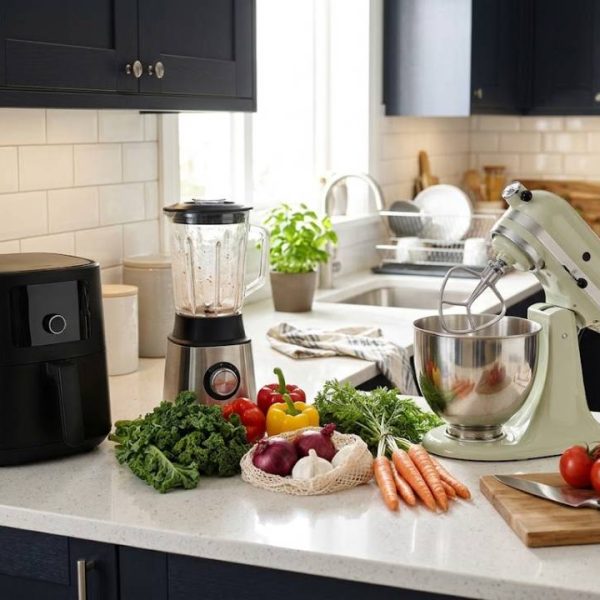
Maybe, a stand mixer
Bakers who knead bread or whip egg whites often find a mixer valuable. Occasional bakers can use hand tools.
Consider how often you will really bake.
Often skip, single purpose gadgets
Devices that only slice avocados, boil eggs or make one type of snack rarely earn their space. A knife or a pot can do the same job.
Ask yourself whether a tool does at least three things.
Often skip, giant sets
Large sets of cookware or tools often include pieces you will never use. Buy individual items of quality instead.
Start with a few pans and expand when you need them.
How to read reviews
Look for reviews that describe real use over months, not first impressions. Mixed reviews often say more than five star praise.
Compare several sources and be careful with sponsored content.
Check power and capacity
Wattage affects speed, but build quality matters more. Capacity should match your usual portions.
Do not choose a machine just because it is the most powerful.
Ease of cleaning
Removable, dishwasher safe parts save time. Complicated shapes with many crevices are hard to clean.
A machine you dislike cleaning will gather dust.
Safety features
Look for automatic shut off, stable bases and cool touch handles. Certification marks show that a product met safety standards.
Never use damaged cords or plugs.
Instructions and labels
Appliances sold in several countries need clear manuals and safety warnings in local languages. Poor translations cause mistakes and complaints.
Our overview of GPSR translation requirements explains what product safety information must be provided for European customers.
Italian design and cooking tools
Italy is known for coffee machines, pasta makers and stylish kitchenware. Manufacturers exporting these products need accurate manuals and marketing text.
Many companies rely on Italian translation services to prepare instructions and catalogs.
Warranty and support
Check the length of the guarantee, who handles repairs and how easy it is to buy spare parts. A cheap product without support can cost more later.
Keep your receipt and register the product if required.
Think about energy use
Small appliances can be more efficient than heating a full oven. Look at power ratings and use them for small portions.
Unplug devices you do not use daily.
Storage and organization
Keep frequently used items in reach and store rarely used ones higher. A dedicated drawer for tools reduces clutter.
Rotate items every season.
Test before committing
Borrow from a friend or buy from a store with a generous return policy. A short trial shows whether a gadget fits your routine.
Return unused items quickly.
Give secondhand a chance
Used appliances often work well and cost less. Check the condition, cord and parts.
Avoid items with missing safety components.
A simple rule
If you cannot name three meals you will cook with a gadget this month, do not buy it. If you can, it may be a good choice.
Cooking should become easier, not more cluttered.
Clean and care for gadgets
Wipe appliances after use and follow the cleaning instructions in the manual. Well cared for tools last for years.